“G11 English is challenging but exciting. Students continue to support their learning of English through the Pathways series, but now turn to the detailed study of a fascinating set of canonical literary texts.”
At SISU Bilingual School, our G11 students deepen their engagement with the study of English. The sophistication of the G11 texts increases, and students must complete tasks that are more linguistically and intellectually challenging. Our students continue to use the Pathways series.
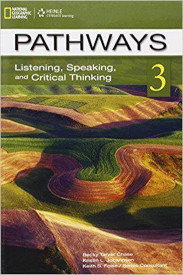
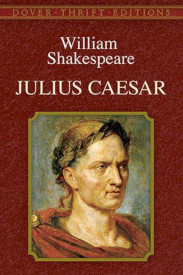
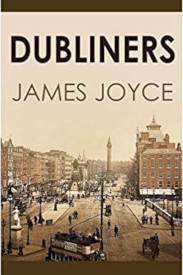
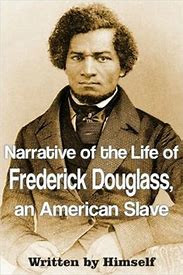
And a selection of some of the other texts the students work through:
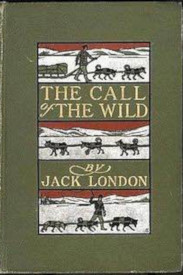
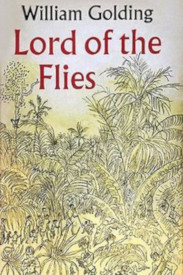
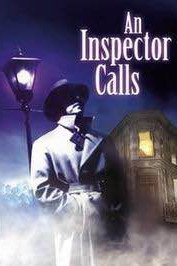
In order to support our students in this more challenging academic environment, we use various templates and scaffolding devices to support their learning. As English educators we seek to help students become critically-minded independent learners, but we also know that this is a long journey, the start of which begins with tangible tools and methods that support the students as they make their way on their individual intellectual journeys. Here are some examples of the scaffolding devices that we use.
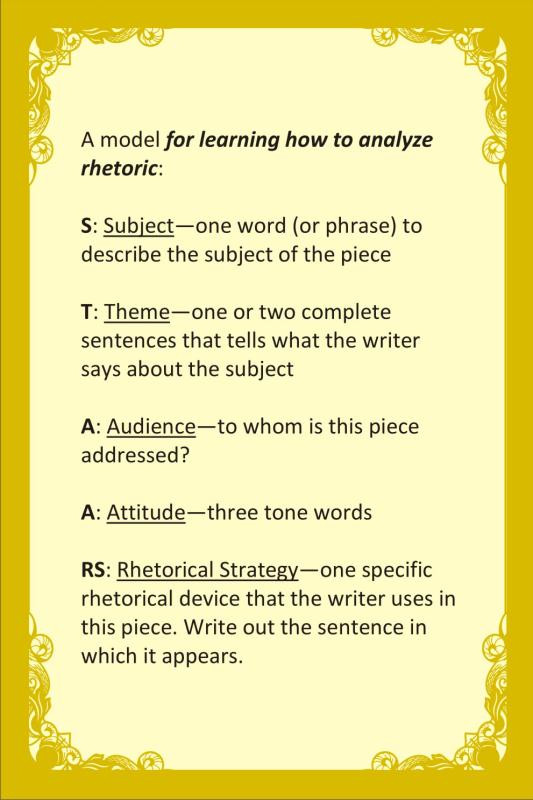
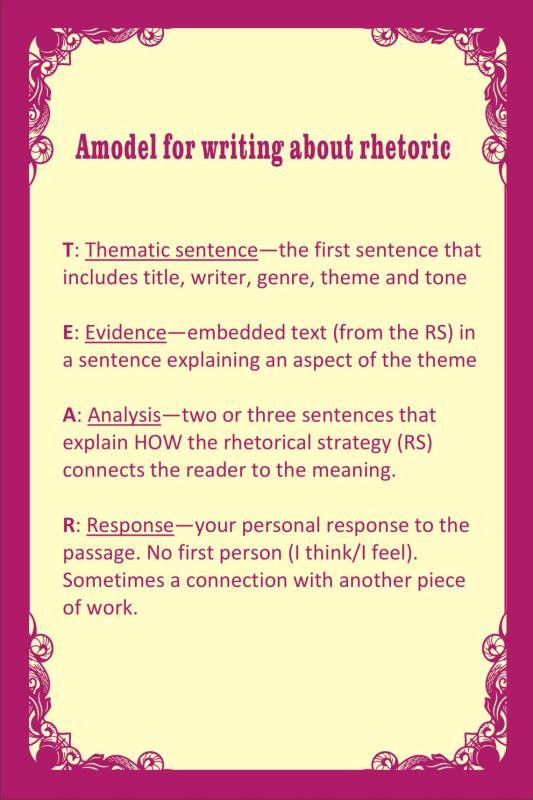
At SISU Bilingual School, we train our students to approach their study of rhetoric systematically, and in this way lay the groundwork to allow them to choose to the take the AP Language and Composition Exam in G12, if they so wish. This reading scaffold facilitates our students in producing complex pieces of writing about intellectually challenging subjects. Again, in order to facilitate this, we teach our students the value of a writing template such as this.
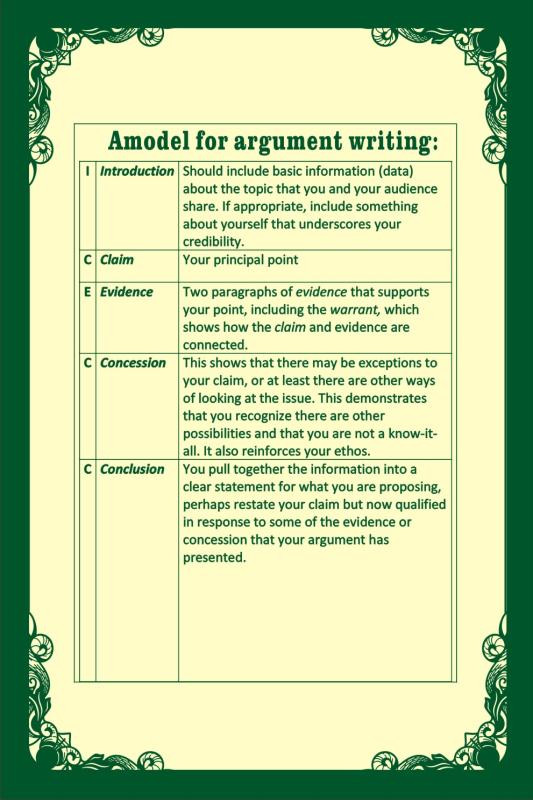
Writing argumentative essays is a key skill for college, and we spend a great deal of time teaching the correct approach and allowing the students to improve and perfect their work through a series of drafts. This is a useful structure that our students find extremely helpful in this process.
In this way, our G11 students are very well prepared for G12, the AP Language and Composition Exam, and their application to and success in the college of their choice.
To become college and career ready, students must grapple with works of exceptional craft and thought whose range extends across genres, cultures, and centuries. Such works offer profound insights into the human condition and serve as models for students’ own thinking and writing. Along with high-quality contemporary works, these texts should be chosen from among seminal U.S. documents, the classics of American literature, and the timeless dramas of Shakespeare. Through wide and deep reading of literature and literary nonfiction of steadily increasing sophistication, students gain a reservoir of literary and cultural knowledge, references, and images; the ability to evaluate intricate arguments; and the capacity to surmount the challenges posed by complex texts. [Common Core]
For students, writing is a key means of asserting and defending claims, showing what they know about a subject, and conveying what they have experienced, imagined, thought, and felt. To be college- and career- ready writers, students must take task, purpose, and audience into careful consideration, choosing words, information, structures, and formats deliberately. They need to know how to combine elements of different kinds of writing—for example, to use narrative strategies within argument and explanation within narrative— to produce complex and nuanced writing. They need to be able to use technology strategically when creating, refining, and collaborating on writing. They have to become adept at gathering information, evaluating sources, and citing material accurately, reporting findings from their research and analysis of sources in a clear and cogent manner. They must have the flexibility, concentration, and fluency to produce high-quality first- draft text under a tight deadline as well as the capacity to revisit and make improvements to a piece of writing over multiple drafts when circumstances encourage or require it.[Common Core]